Lifting inside data centres: the challenges you don’t see

Data centres are some of the more demanding environments we work in. Tight spaces, sensitive equipment and often live infrastructure mean there’s very little room for error.

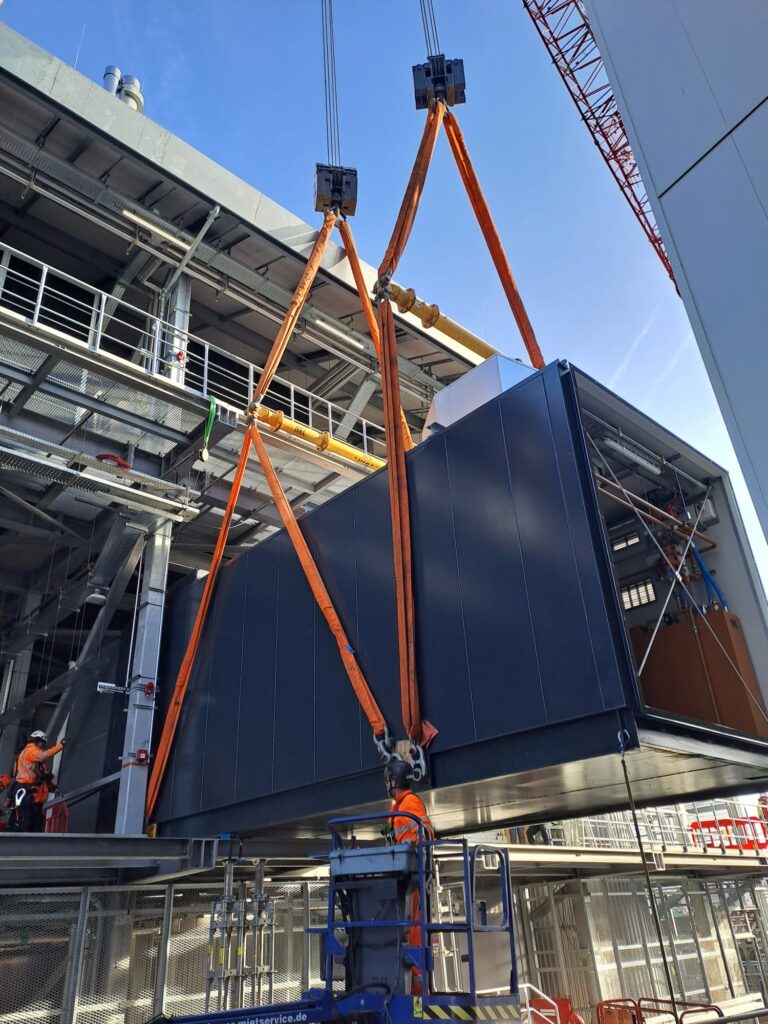
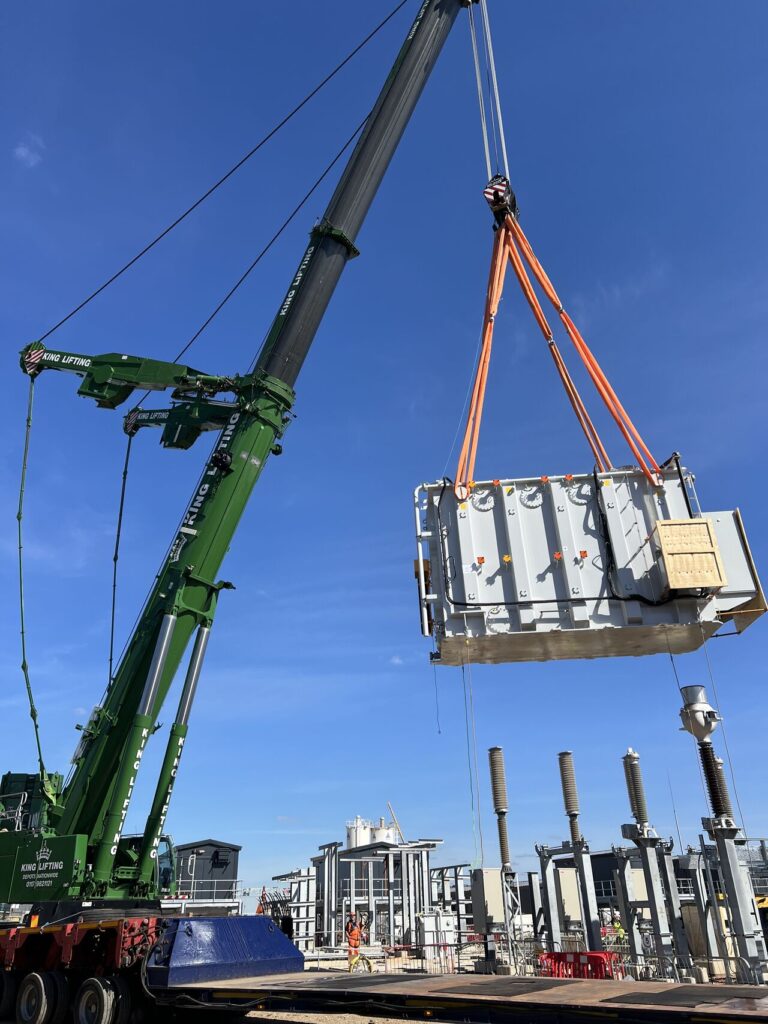
In Madrid, our team worked on positioning 55-tonne generators, CRAH units, fan walls, batteries and switchgear; all key parts of keeping the site up and running. Each lift had to be carefully planned and carried out with precision to avoid disruption.

We’ve seen similar challenges across other data centre projects too, particularly in the Netherlands and Germany. While every site is different, the same issues come up time and again; restricted access, limited headroom and the need to work around ongoing operations. It’s not unusual for lifts to be carried out in phases, or during tight time windows, to fit around the rest of the build.

Because of that, most of the work happens before we even get to site.

We spend time mapping out crane positions, lift paths and clearances, making sure everything has been thought through in advance.

On site, the focus is on getting set up properly and taking the lift step by step. There’s no rushing it. The team works through the plan, keeps communication clear, and makes sure everything is done safely.

These projects are a good example of how planning and experience come together. It’s not just about lifting heavy equipment, it’s about doing it in places where space is tight and the stakes are higher.

The end result in Madrid, and across similar projects, was a smooth install with no issues or delays. Most of that success comes down to the work put in beforehand.

Crane configuration explained: why setup matters more than you think

When it comes to heavy lifting, the crane you choose and how you set it up can make all the difference.

It’s something we see across a wide range of projects, not just one type of job. Whether it’s working on infrastructure, industrial installs or complex city centre lifts, the setup is what makes the lift possible in the first place.

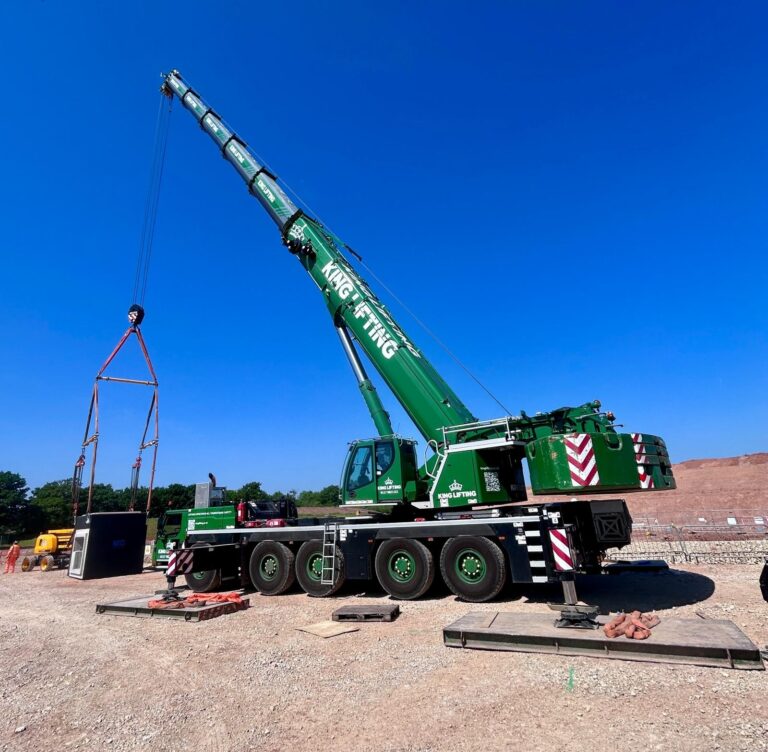
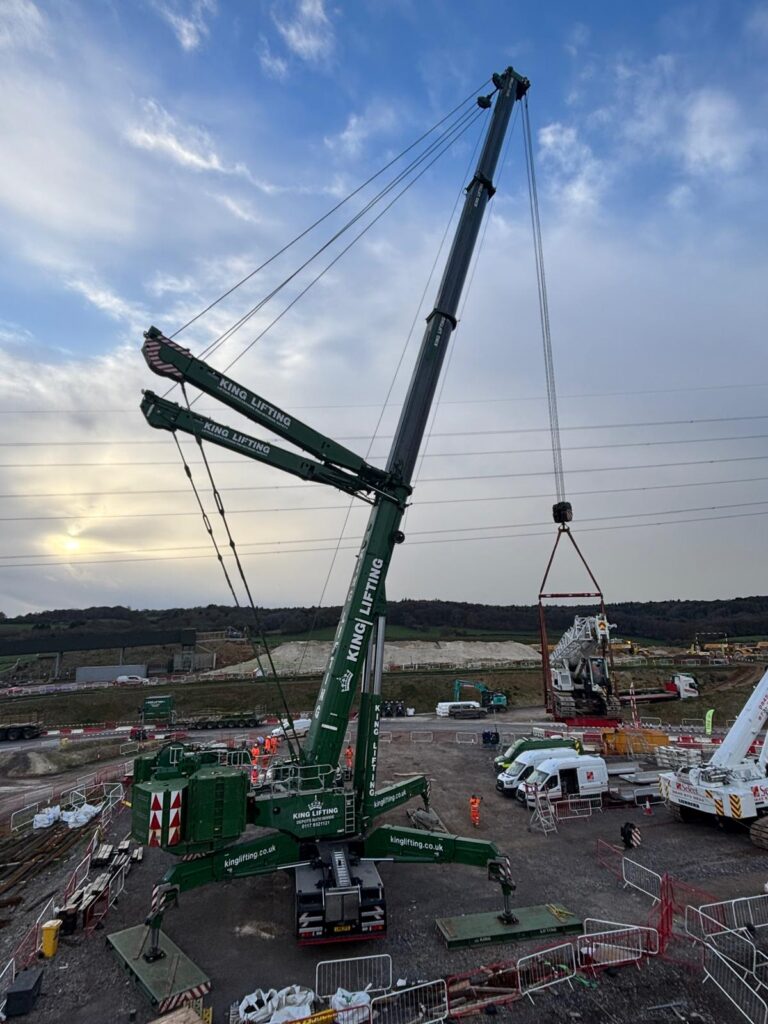
Every crane works differently. Things like reach, counterweight, outrigger setup and jib length all affect what it can safely lift and where it can work. It’s not just about lifting capacity on paper — it’s about how that crane performs in the space available on site.

That’s where the planning comes in.

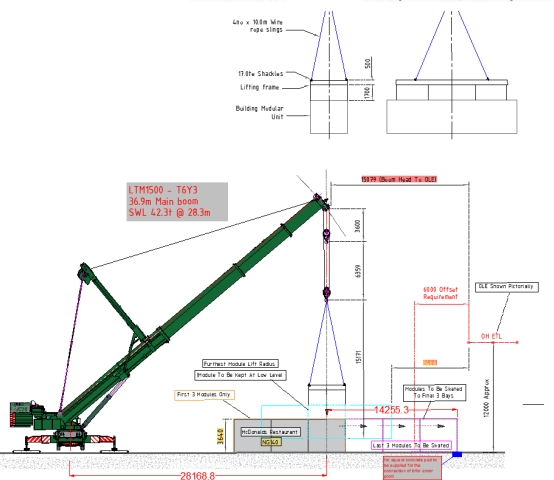
Before anything arrives, we use tools like AutoCAD to map out the lift. This helps us choose the right configuration, making sure there’s enough reach, the correct ground setup, and no clashes with surrounding structures.

You can see how important this is across a number of projects:

A good example of detailed setup closer to home is the Jost JTL 168.8 dismantle at Trafalgar Way. With only 94 metres of available space and an 80.5 metre luffing jib, there wasn’t much room to work with. The configuration had to be right, supported by careful planning, bespoke outrigger mats and a hybrid approach to building and dismantling the crane.

Across all of these jobs, the same principle applies. The lift itself is only part of it — the setup determines whether it can be done safely and efficiently.

On site, once the crane is built and ready, there’s no room for guesswork. The hard work has already been done in the planning stage, so the team can focus on carrying out the lift properly.

When everything is configured correctly, the job tends to run as it should. When it isn’t, that’s when issues start to appear.

It’s not the most visible part of the job, but it’s one of the most important. Getting the setup right is what makes everything else possible.

From offloading to final position: the full journey of a lift

A successful lift isn’t just the moment the load leaves the ground. It’s the full process, from when the project is first planned to when we set down to a final position.

Recent projects across Europe, including work in Madrid and Frankfurt, show how many moving parts are involved in getting that right.

It starts with planning

Understanding the load, the site conditions and the right crane for the job. That includes looking at access, ground bearing pressures and how the lift will actually be carried out, not just in theory, but in practice on site.

Next comes delivery and offloading

This stage is often overlooked, but it can be one of the trickier parts of the job. Loads don’t always arrive in ideal conditions, and space to offload can be tight. We’ve seen this across a number of projects, from data centres to infrastructure work, where careful positioning from the outset makes the rest of the lift possible.

Then it gets specific

From there, the lift itself can take a number of forms. On some jobs, it’s a straightforward single-crane lift. On others, it might involve tandem lifting, staged installs or working within restricted spaces. As well as complex installs that require slightly different approaches depending on the environment.

Up in the air

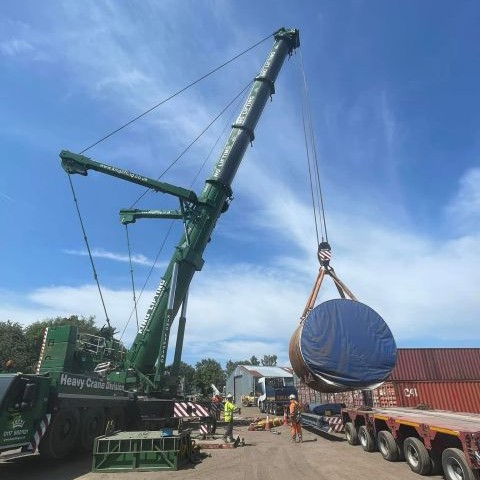
Once the load is in the air, the focus shifts to control. Moving it safely, avoiding clashes, and guiding it into position without rushing. This is often where experience shows, especially on jobs where there’s very little room to manoeuvre.

Final positioning

The end placement is just as important as the lift itself. Whether it’s a generator, pipework or switchgear, it needs to be placed accurately so other work can continue without delay. On projects like tunnel boring machine lifts or large infrastructure installs, this stage can take as much care as the initial lift.

All in a day’s lift

Across all of these stages, communication is key. The lift team, operators and site teams all need to stay aligned so each step happens at the right time. If one part is delayed, it can affect everything that follows.

When everything comes together, the lift can look simple from the outside. In reality, it’s the result of careful planning, steady execution and a team that understands how each stage fits into the bigger picture.

Precision vs Power: not all heavy lifts are about weight

When people think of heavy lifting, they picture towering cranes and huge loads. But some of the most demanding jobs aren’t the heaviest; they’re the ones that need the most precision.

Take our most recent work in Frankfurt. Offloading and positioning pipe modules between 4 and 18 tonnes might not sound like a standout job, but the challenge was in the detail. These lifts were technically sensitive, requiring careful alignment, planned sequencing and a clear understanding of the space we were working in.

There’s often very little tolerance on jobs like this. Components need to be placed exactly where they’re needed so the next stage of work can go ahead. A slight misalignment can cause delays further down the line, so getting it right first time matters.

We see the same on other projects too. Smaller internal lifts, plant room installs and staged equipment moves all come with their own challenges. Space can be tight, access can be limited, and lifts often need to be carried out in a set order to keep the wider project moving.

That’s why the approach stays the same, regardless of the size of the load.

Planning is still key. Lift paths, positioning and sequencing are all worked through in advance. On site, it’s about taking the time to set up properly and carrying out each stage in a controlled way.

In many cases, these types of lifts rely less on raw capacity and more on coordination. Knowing when to move, how to guide the load, and how each step fits into the wider job.

There’s no real difference in how we approach lighter, more sensitive lifts compared to ultra-heavy ones. Both require the same level of planning, attention to detail and focus on safety.

What does change is the challenge. Heavier lifts test capacity, while smaller, more technical lifts often leave less room for error and rely more on precision and control.

International lifting: managing projects across Europe

Working across Europe isn’t just about delivering lifts in different locations. It’s about building the right setup to support them.

At King Lifting, our teams regularly operate across countries including Germany, Spain and France, supporting a mix of data centre, infrastructure and industrial projects. That kind of coverage only works if the right structure is in place behind the scenes.

Each country brings its own requirements. Transport rules, site access, lifting regulations and safety standards can all vary, so there’s no one-size-fits-all approach. What works on a UK site won’t always translate directly overseas.

To manage that, we combine local understanding with a consistent way of working. Our teams are used to adapting to different site conditions, while still following the same core processes that keep lifts safe and controlled.

Training plays a big part in that.

We support training across our European operations to make sure teams are aligned, not just in terms of technical ability, but in how jobs are approached day to day. It helps maintain consistency across projects, even when they’re happening in different countries at the same time.

It also means we can move people and equipment where they’re needed, without starting from scratch on every job. There’s already a shared understanding of how things are done.

That flexibility is what allows us to support multiple projects across Europe at once. Whether it’s working in a live data centre, a restricted city site or a large infrastructure project, the approach stays steady, even if the environment changes.

International lifting brings its own challenges, but with the right people, preparation and structure in place, it becomes a natural extension of how we work.

Call us on 0117 9821121